Why a Generic Five-Minute Warmup Doesn't Actually Prepare the Body for Most Workouts
A generic five-minute warmup of light cardio and some stretching feels like a responsible box to check before any workout, but that same routine prepares the body very differently for a heavy squat session than it does for a long run, because a warmup’s real job is priming the specific movement patterns and joint ranges the actual workout is about to demand.

Why Warming Up Muscles Broadly Doesn’t Prepare the Specific Movement Patterns a Workout Demands
The specificity gap: the general-light-cardio-raises-body-temperature-and-heart-rate-but-doesnt-rehearse-any-specific-movement-pattern (the a broad warmup addressing general physiological readiness without touching the particular joint angles or muscle activation the workout actually needs — the general-cardio-raises-temperature-not-movement-pattern), the the-a-heavy-lift-and-a-long-run-demand-completely-different-joint-ranges-and-muscle-activation-patterns (the the specific requirements of different workout types diverging enough that one generic prep can’t cover both well — the different-workouts-demand-different-joint-ranges-and-activation), the the-a-mismatched-warmup-can-still-leave-the-specific-muscles-and-joints-about-to-be-loaded-unprepared-for-that-specific-demand (the the generic warmup’s benefit not transferring to the actual movement pattern that follows it — the mismatched-warmup-leaves-specific-demand-unprepared), and the reframe (a warmup’s actual job being to prepare the specific patterns a workout will use, not simply to raise general body temperature, meaning a one-size-fits-all routine misses that specific preparation)).

The Specific Way to Structure a Warmup Around the Actual First Exercise
The actual method: the perform-the-first-planned-exercise-itself-at-very-light-load-or-reduced-range-as-part-of-the-warmup (the literally rehearsing the upcoming movement pattern rather than a generic substitute — the perform-actual-first-exercise-at-light-load-as-warmup), the the-gradually-increase-load-or-intensity-across-several-warmup-sets-approaching-the-actual-working-weight-or-pace (the a progressive ramp that specifically prepares the joints and muscles for the coming demand — the gradual-ramp-approaching-actual-working-intensity), the the-include-dynamic-movement-through-the-specific-joint-ranges-that-the-main-workout-will-use-heavily (the targeting the particular ranges of motion relevant to that day’s session specifically — the dynamic-movement-through-specific-relevant-joint-ranges), and the frame (performing the actual first exercise at light load, ramping gradually toward working intensity, and moving specifically through the joint ranges the workout will use — a warmup built around the actual session rather than a generic substitute).
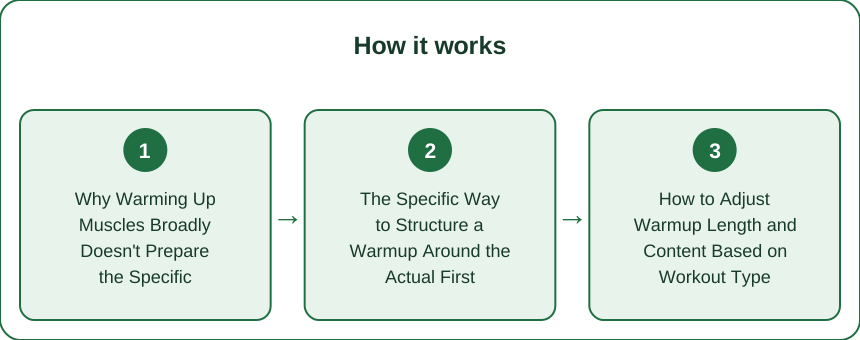
How to Adjust Warmup Length and Content Based on Workout Type Instead of Using One Routine for Everything
The practical adjustment: the heavy-strength-sessions-benefit-from-a-longer-more-progressive-load-ramp-specific-to-the-main-lifts-planned (the a longer specific ramp mattering more for high-load work than for lighter cardio sessions — the strength-sessions-need-longer-progressive-load-ramp), the the-cardio-focused-sessions-benefit-more-from-a-shorter-warmup-that-gradually-raises-pace-to-the-planned-working-intensity (the cardio needing a different kind of ramp — pace-based rather than load-based — matched to its own demand — the cardio-sessions-need-pace-based-ramp-not-load-ramp), the the-mixed-or-varied-workouts-need-a-warmup-that-touches-each-major-movement-pattern-included-in-that-specific-session (the a session combining multiple types of movement needing its warmup to cover each one rather than just the first — the mixed-sessions-need-warmup-covering-each-included-pattern), and the frame (a longer load-specific ramp for heavy strength work, a shorter pace-based ramp for cardio, and a warmup touching every major pattern for mixed sessions — content and length matched to the actual type of workout rather than one fixed routine used for all of them).
A generic five-minute warmup of light cardio and stretching prepares the body very differently for a heavy squat session than for a long run, because a warmup’s real job is priming the specific movement patterns and joint ranges a workout is about to demand, not just raising general body temperature — and a warmup mismatched to that specific demand can still leave the muscles and joints about to be loaded unprepared. The fix is performing the actual first planned exercise at very light load or reduced range as part of the warmup itself, gradually ramping load or intensity across several warmup sets toward the actual working weight or pace, and moving dynamically through the specific joint ranges the main workout will use heavily. Adjust warmup length and content to the actual workout type: a longer, progressive load ramp for heavy strength sessions, a shorter pace-based ramp for cardio-focused sessions, and a warmup that touches every major movement pattern included for a mixed or varied session, rather than one fixed routine used for everything.
Keep Reading
This article is for general informational and styling purposes only. Fit, sizing, and product availability may vary.